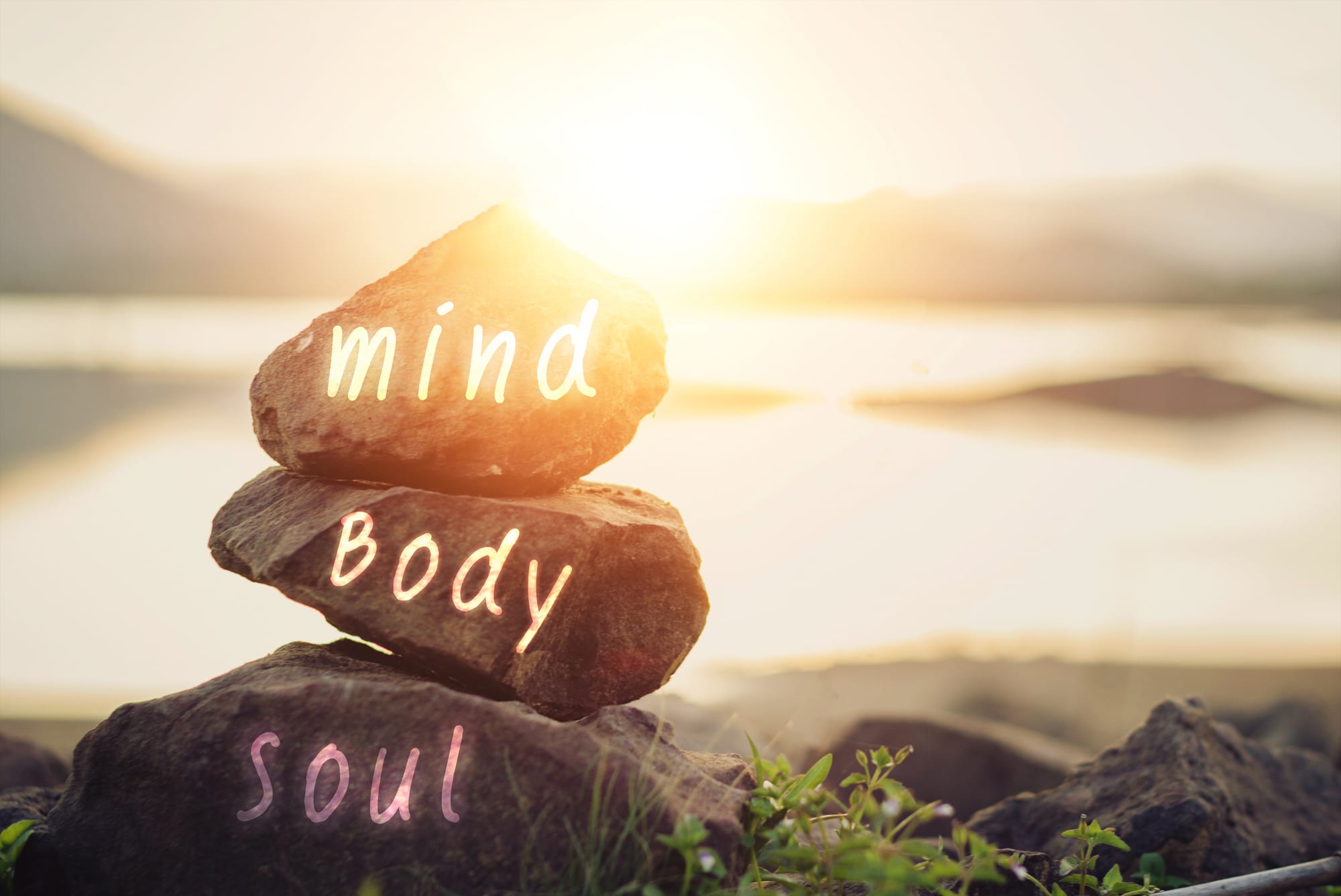
Holistic wellness means caring for the whole person — body, mind, and spirit.
Alternative and complementary health practices can support medical care by promoting relaxation, balance, and long-term well-being.
This guide helps individuals explore safe, accessible wellness approaches available throughout Florida.
Step-by-Step Guide (Florida)
1. Understand What “Alternative” and “Complementary” Medicine Mean
- Alternative medicine refers to treatments used instead of traditional Western medicine, while complementary medicine supports or enhances standard care.
- Common modalities include acupuncture, herbal medicine, massage therapy, aromatherapy, yoga, meditation, and nutritional healing.
- Florida recognizes many of these practices through professional licensing (for example, acupuncture and massage therapy under the Florida Department of Health).
2. Research Qualified Practitioners
- Only seek care from licensed professionals. You can verify credentials through the Florida Department of Health’s Medical Quality Assurance (MQA) License Lookup: www.flhealthsource.gov/verify
- Ask potential providers about:
- Training and certification
- Treatment goals and expected outcomes
- Compatibility with any prescribed medications or existing medical conditions
3. Explore Herbal and Natural Remedies Safely
- Herbal medicine can help with relaxation, digestion, immune support, and pain management — but always consult your healthcare provider before starting new herbs or supplements.
- Buy only from reputable brands or herbalists who follow Good Manufacturing Practices (GMP).
- In Florida, you can find community herbal apothecaries, such as Dandelion Community Café (Orlando) or Acupuncture & Herbal Wellness Centers (Tampa/St. Pete), offering classes and consultations.
4. Incorporate Mindfulness & Stress-Management Techniques
- Mindfulness helps calm the nervous system and reduce anxiety.
- Start with simple daily practices:
- Deep breathing for 5–10 minutes a day
- Meditation apps like Insight Timer or Calm
- Yoga or Tai Chi for gentle movement and grounding
- Many Florida community centers, hospitals, and universities offer free or low-cost mindfulness-based stress reduction (MBSR) programs.
5. Build Healthy Routines that Support Longevity
- Focus on the foundations of holistic health:
- Nutrition: Eat whole, plant-based foods rich in fruits, vegetables, and healthy fats.
- Movement: Engage in moderate physical activity for at least 30 minutes most days.
- Sleep: Aim for 7–9 hours of rest each night.
- Hydration: Drink plenty of water and limit sugary drinks or alcohol.
- Balance daily structure with relaxation — small, consistent habits create lasting change.
6. Utilize Florida Wellness & Community Resources
- Explore integrative health programs and community education in your area:
- Moffitt Cancer Center – Integrative Medicine Program (Tampa)
- UF Health Integrative Medicine (Gainesville)
- Tampa Bay Yoga Therapy Center
- Local Farmers Markets and Community Gardens for access to fresh, local produce
- Check your county’s Health Department for free nutrition and fitness classes.
7. Keep Your Primary Healthcare Provider Informed
- Always communicate any new holistic practices, supplements, or treatments with your physician.
- Integrating traditional and alternative approaches safely ensures the best overall outcomes and prevents drug–herb interactions.
💛 Wellness is not one big change — it’s a daily choice.
By combining mindfulness, movement, and natural health practices, you create a sustainable path toward balance, healing, and wholeness.